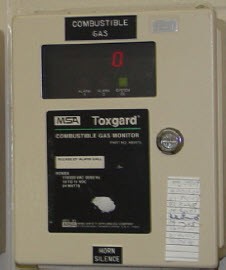
Clients often ask me if they should provide continuous gas detection in their laboratory hoods. I always start by asking them why they believe it is necessary and usually get some version of the following. (These are numbered for reference not any priority.) To warn them they have a leak or similar loss of containment.Continue reading “Gas Detection Inside Laboratory Hoods: Prudent Safety Measure or Wasted Money?”
Tag Archives: Safety
Where is the best place to locate a hood in a laboratory?
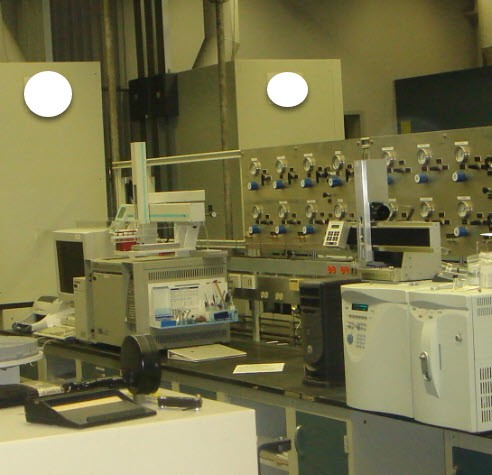
When you are laying out a laboratory where you place the hoods have a large impact on cost, efficiency, and hood performance. While there are numerous cautions in the literature as to the need for proper placement, many are rather vague, nebulous, and not easily interpreted.
Inadequate Laboratory Ventilation: An All Too Common Reason for Major Safety and Operational Problems Down the Road
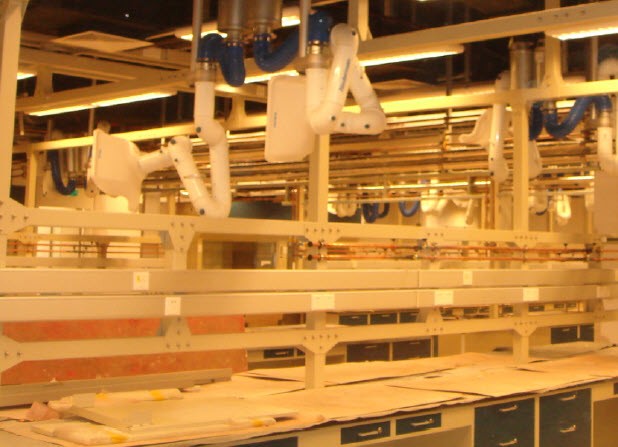
Laboratory exhaust ventilation is expensive. Estimates range from $20-70/CFM to install and $3-$12/CFM to operate depending on local costs and system design. Hoods are an added expense ranging from $200-$400/linear foot to purchase and install. Hood controls add another $1,000-$3,000 per hood. This means it is not uncommon for ventilation systems to account for 15-40%Continue reading “Inadequate Laboratory Ventilation: An All Too Common Reason for Major Safety and Operational Problems Down the Road”
List of Articles on Laboratories, Pilot Plants and Research
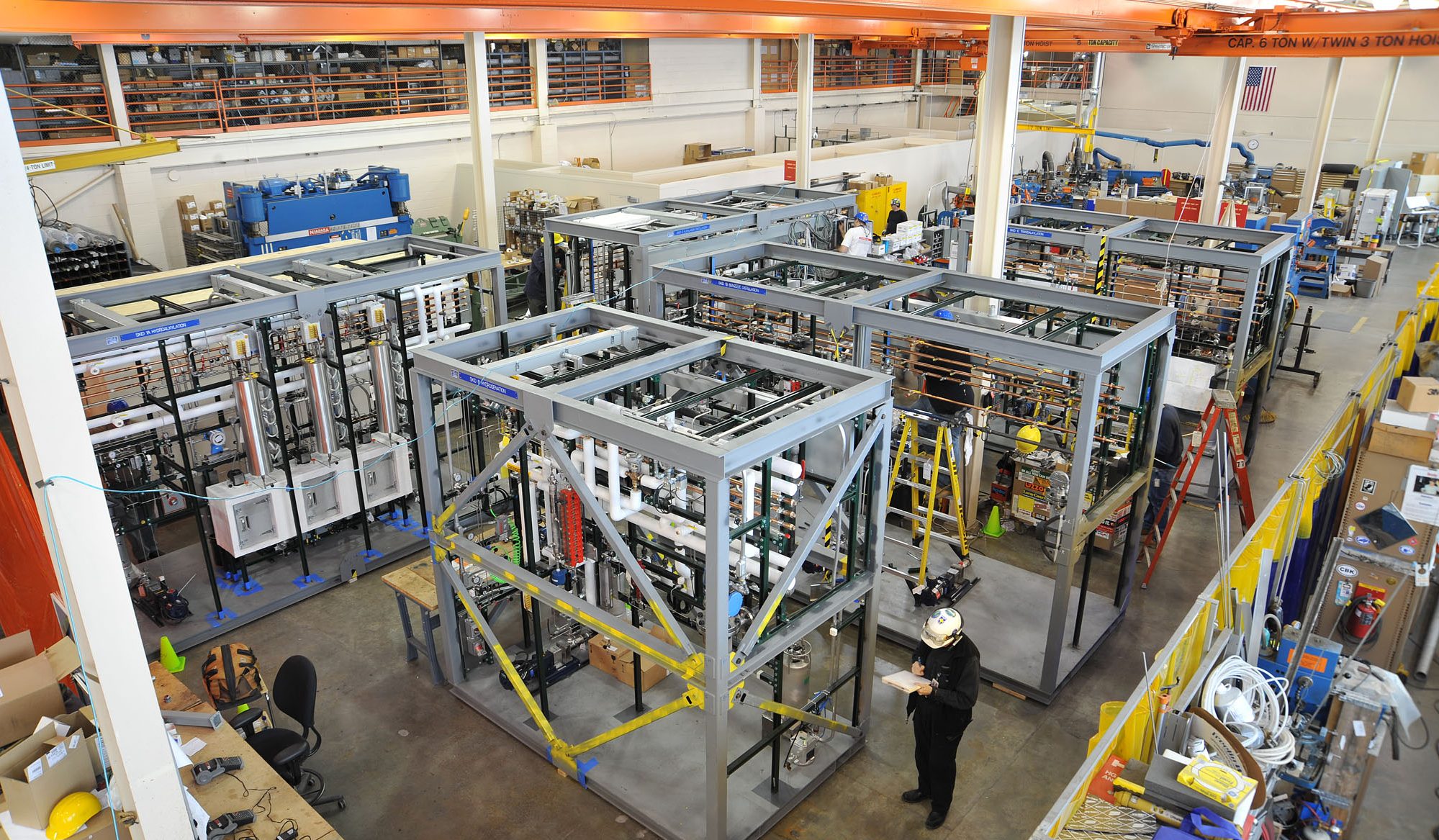
Several people have asked me for a list of all my articles on laboratories, pilot plants, and research issues. Here they are separated into subject areas. Please note that some articles could probably be placed in several areas. This list is as of February 27, 2021. I will try and update it as I addContinue reading “List of Articles on Laboratories, Pilot Plants and Research”
“My Laboratory is Very Safe”: The Dangers of Myopic Looks at Laboratory Safety

In 45 years and hundreds of safety audits and inspections I have rarely had someone suggest to me that their laboratory is not safe. At worst, they may acknowledge a few specific concerns they would like me to look at (and hopefully say nothing is wrong and exit quickly). Yet in almost every audit IContinue reading ““My Laboratory is Very Safe”: The Dangers of Myopic Looks at Laboratory Safety”
Administrative Controls in Laboratories and Pilot Plants: When Might They Be an Acceptable Safety Measure?
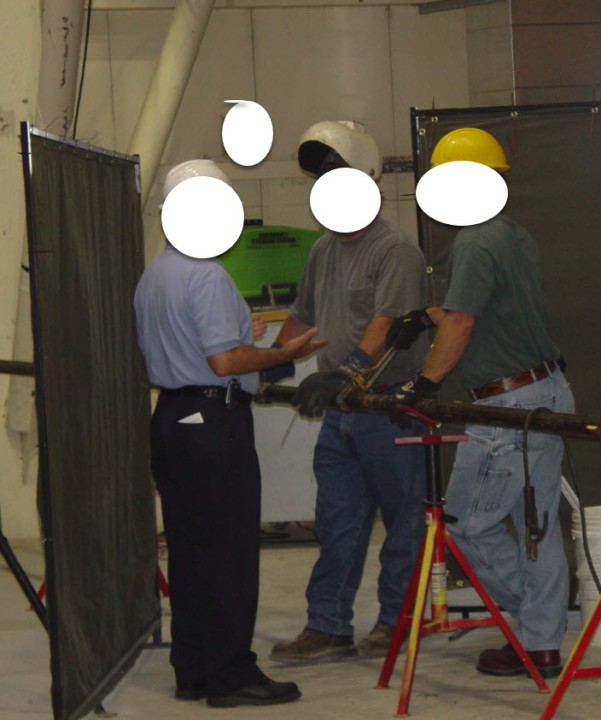
The accepted hierarchy of controls[1],[2],[3] is: 1. Elimination 2. Substitution 3. Engineering Controls 4. Administrative Controls 5. PPE In research, there is often a strong desire from management, professionals and operators to use administrative controls in place of engineering controls. Administrative controls are usually less expensive, faster, and easier to implement. They allow greater flexibility in the response to an issueContinue reading “Administrative Controls in Laboratories and Pilot Plants: When Might They Be an Acceptable Safety Measure?”
What is the Maximum Allowable Quantity (MAQ) of Hazardous Materials Allowed by Code in a Laboratory or Pilot Plant Area?
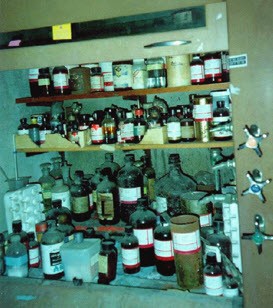
We live in a world of acronyms and abbreviations many of which, at least in text messages, defy the author’s interpretation. A common one in pilot plant and laboratory operations is the maximum allowable quantity or MAQ. This is the maximum amount of hazardous materials that are allowed in a building by the building code. IfContinue reading “What is the Maximum Allowable Quantity (MAQ) of Hazardous Materials Allowed by Code in a Laboratory or Pilot Plant Area?”
 Richard P Palluzi LLC