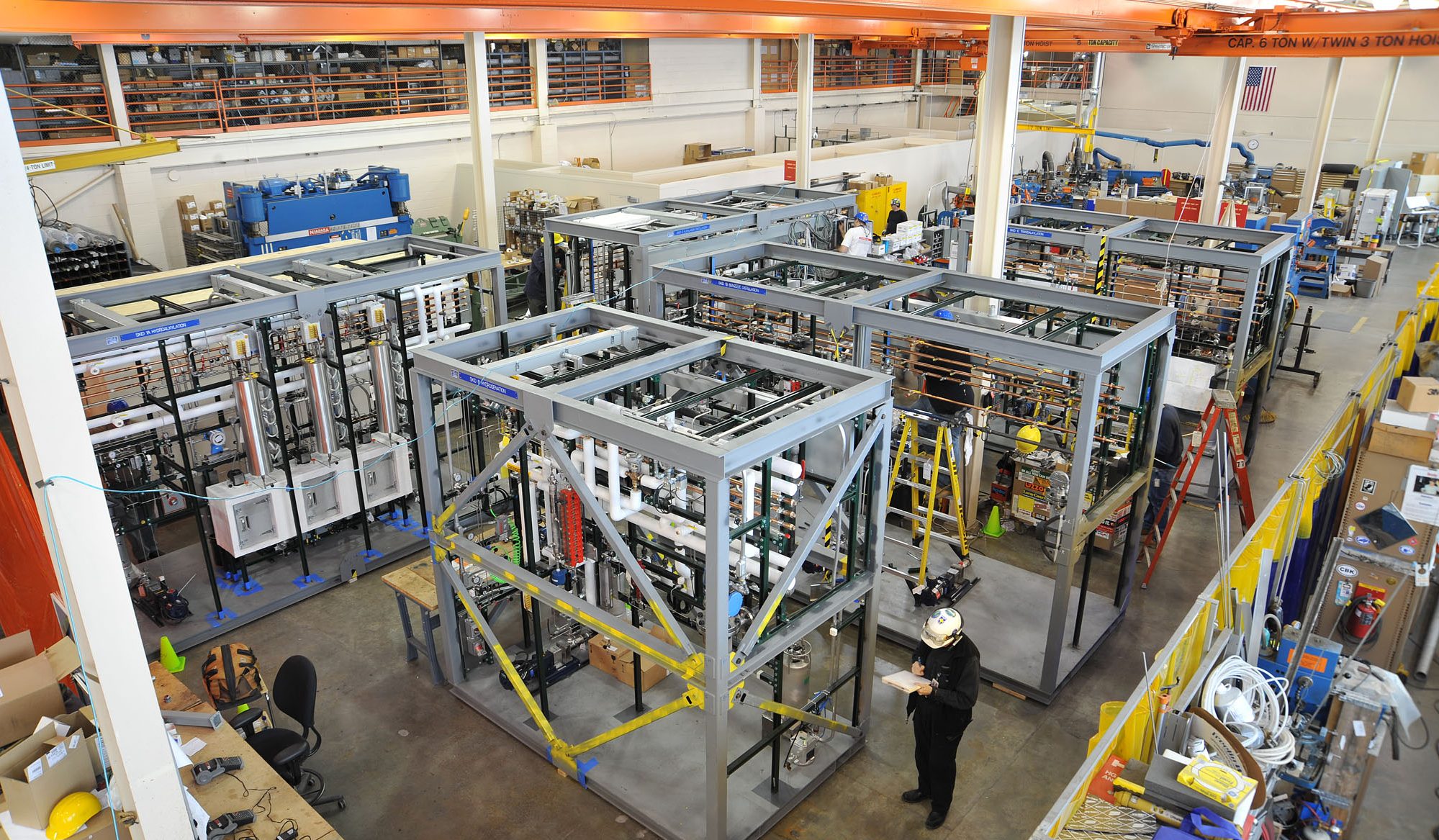
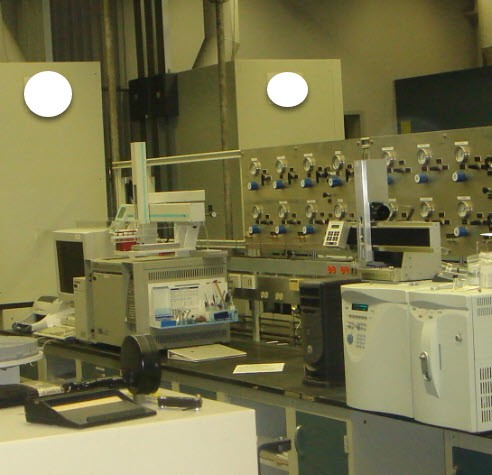
When you are laying out a laboratory where you place the hoods have a large impact on cost, efficiency, and hood performance. While there are numerous cautions in the literature as to the need for proper placement, many are rather vague, nebulous, and not easily interpreted.
Tag Archives: Research
Inadequate Laboratory Ventilation: An All Too Common Reason for Major Safety and Operational Problems Down the Road
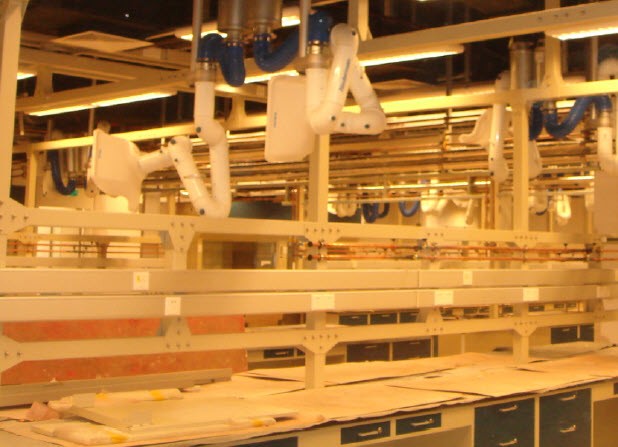
Laboratory exhaust ventilation is expensive. Estimates range from $20-70/CFM to install and $3-$12/CFM to operate depending on local costs and system design. Hoods are an added expense ranging from $200-$400/linear foot to purchase and install. Hood controls add another $1,000-$3,000 per hood. This means it is not uncommon for ventilation systems to account for 15-40%Continue reading “Inadequate Laboratory Ventilation: An All Too Common Reason for Major Safety and Operational Problems Down the Road”
List of Articles on Laboratories, Pilot Plants and Research
Several people have asked me for a list of all my articles on laboratories, pilot plants, and research issues. Here they are separated into subject areas. Please note that some articles could probably be placed in several areas. This list is as of February 27, 2021. I will try and update it as I addContinue reading “List of Articles on Laboratories, Pilot Plants and Research”
“My Laboratory is Very Safe”: The Dangers of Myopic Looks at Laboratory Safety

In 45 years and hundreds of safety audits and inspections I have rarely had someone suggest to me that their laboratory is not safe. At worst, they may acknowledge a few specific concerns they would like me to look at (and hopefully say nothing is wrong and exit quickly). Yet in almost every audit IContinue reading ““My Laboratory is Very Safe”: The Dangers of Myopic Looks at Laboratory Safety”
What Do the Numbers Stamped on a Compressed Gas Cylinder Mean?

The numbers stamped on a compressed gas cylinder give you a lot of useful information. Typical stamps look something like this: DOT3AA-2265 12345 4-99 3-09 2-19 The first line is the DOT Specification (DOT3AA). That tells you it is a seamless alloy steel cylinder. Other common DOT specifications include:
What is the Maximum Allowable Quantity (MAQ) of Hazardous Materials Allowed by Code in a Laboratory or Pilot Plant Area?
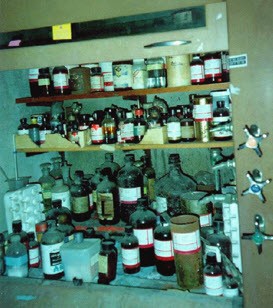
We live in a world of acronyms and abbreviations many of which, at least in text messages, defy the author’s interpretation. A common one in pilot plant and laboratory operations is the maximum allowable quantity or MAQ. This is the maximum amount of hazardous materials that are allowed in a building by the building code. IfContinue reading “What is the Maximum Allowable Quantity (MAQ) of Hazardous Materials Allowed by Code in a Laboratory or Pilot Plant Area?”
Should You Air Condition a Pilot Plant Space?

Unless you live in Hawaii or parts of California, the question always arises should you air condition your pilot plant space. While whole generations of pilot plant operators have always given a resounding yes answer, few organizations have been willing to spend the capital and operating costs just for just personal comfort. Capital costs toContinue reading “Should You Air Condition a Pilot Plant Space?”
What Is A Good Definition Of A Pilot Plant?
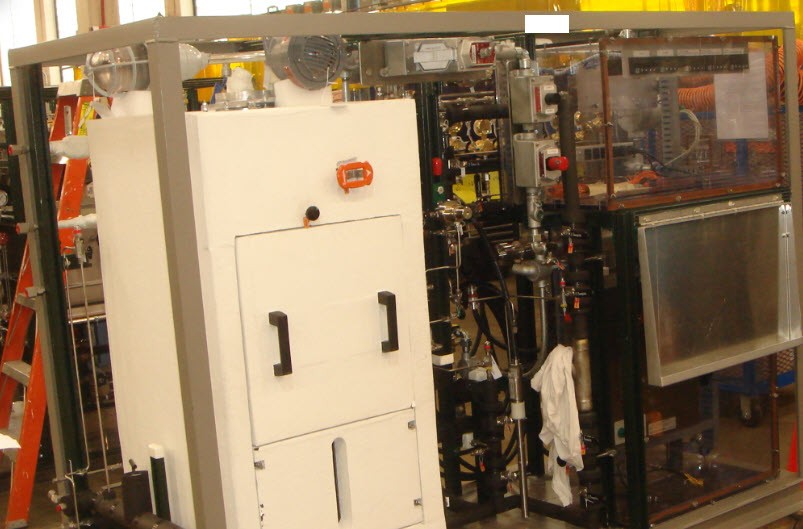
I must get asked that question a dozen times each year. Most times it is from someone outside the chemical industry who has never heard it before asking me what I do. (Or who wanted to know what my license plate PLTPT stands for.) Less often but more challenging it is from a client whoContinue reading “What Is A Good Definition Of A Pilot Plant?”
 Richard P Palluzi LLC