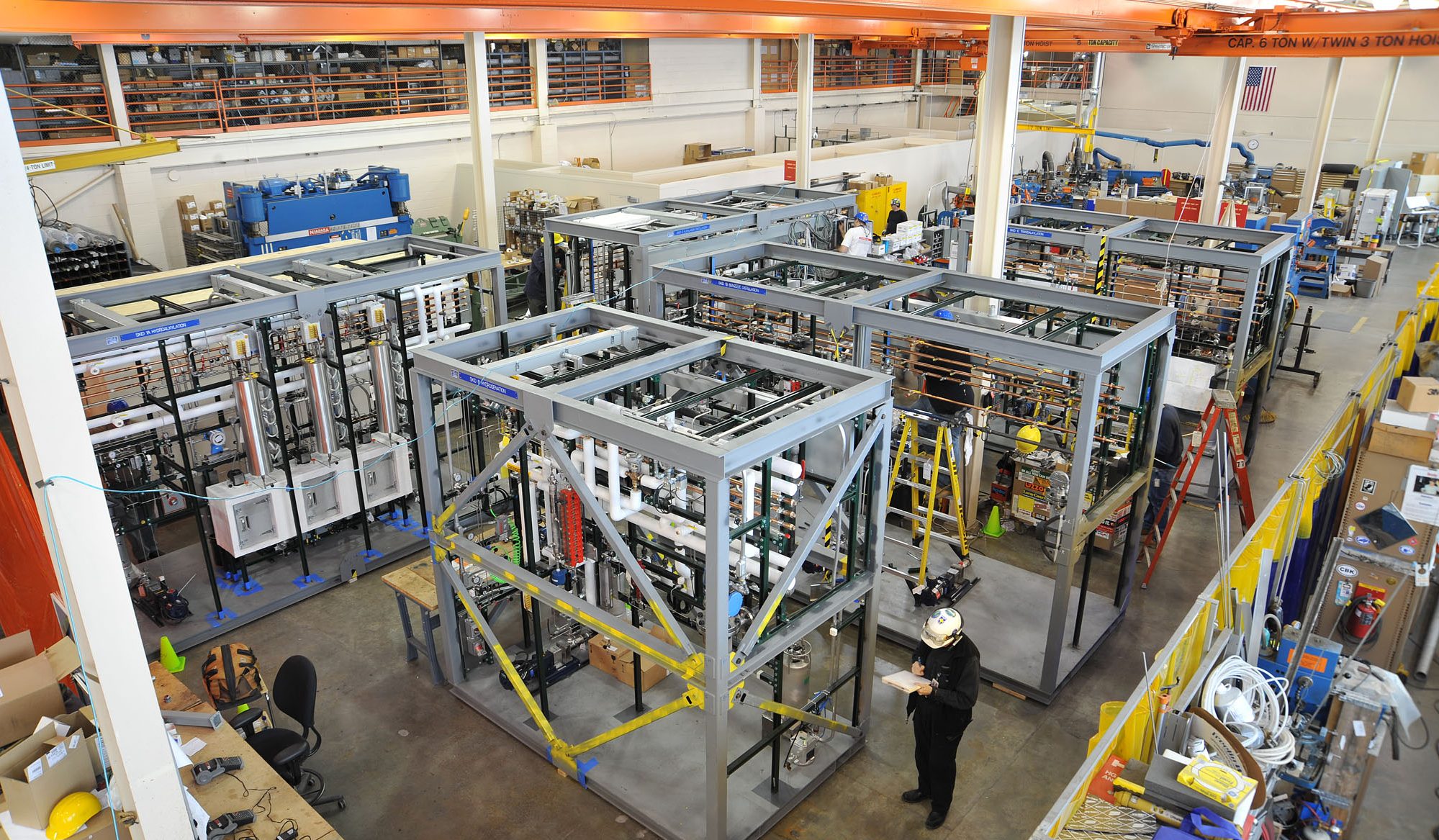
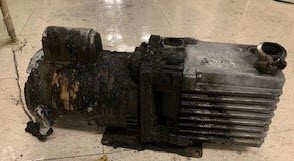
I suspect everyone knows the concept of inherent safety. Use a non-flammable instead of a flammable feed or make sure the system is designed so as to be unable to fail in a hazardous direction. Often, however, I encounter the reverse situation during a safety audit or a hazard analysis and risk assessment, an inherentlyContinue reading “Inherently Unsafe: The Hidden Issues Often Overlooked in Research Hazard Analysis”
Tag Archives: Pilot Plant
Get The Fire Extinguisher! Thoughts on Where to Locate Them for Maximum Safety
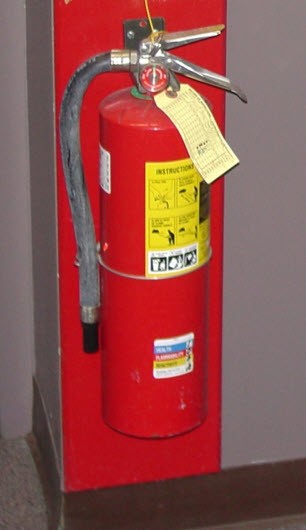
While the number of fire extinguishers required in an area is fire code driven, where to place them is primarily up to the designer or owner. Too often, the architect or building owner places them in the optimum location to minimize the quantity with no real thought for their utility in an emergency. Hence, a commonContinue reading “Get The Fire Extinguisher! Thoughts on Where to Locate Them for Maximum Safety”
Are We Safe or Complacent?

A recent article in the ACS Chemical, Health, and Safety used extensive survey data to show that safety in academic and industrial research laboratories was improving. While a very interesting article, it struck a negative chord with me and raised an issue that forms the basis for this article. How does an organization know itContinue reading “Are We Safe or Complacent?”
Alarms versus Automatic Interlocks in Research Units

Alarms and automatic shutdowns are common in plants and on research units. Both have several shared functions, namely to keep a unit operating safely within design conditions. Both vary in others. Alarms are intended to alert operating personnel to an impending problem in time for them to take appropriate corrective action. Automatic interlocks are designedContinue reading “Alarms versus Automatic Interlocks in Research Units”
Laboratory and Pilot Plant Safety Audits: How to Use Them to Avoid Accidents and Improve Safety Performance
Laboratory and pilot plant safety audits are an important and often overlooked tool for improving an organization’s safety awareness and performance. An audit, unlike a routine safety inspection, is something that occurs less frequently and generally should utilize outside personnel (a ‘cold eyes” type review). It’s purpose is to let someone else review your equipment,Continue reading “Laboratory and Pilot Plant Safety Audits: How to Use Them to Avoid Accidents and Improve Safety Performance”
Where is the Best Place to Put a Flammable Storage Cabinet?
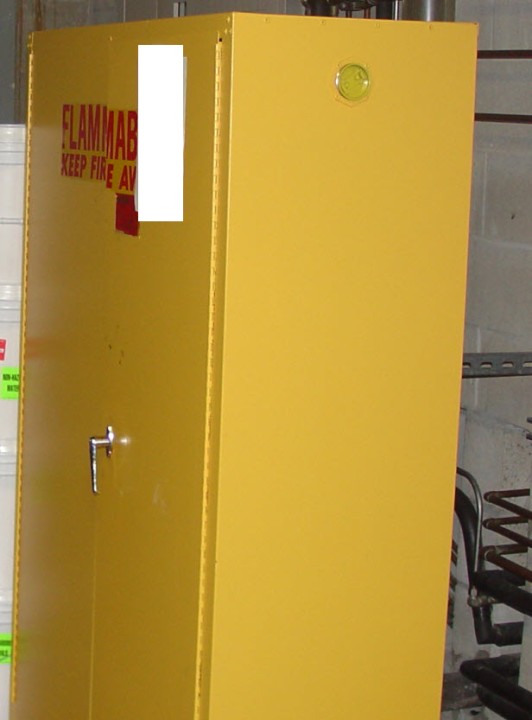
Generally anywhere. However, there are a few places a flammable storage cabinet should not be placed. These include: So that they obstruct an exit door. The flammable storage cabinet should never infringe on the doorway, however minor, nor impede the opening of the door itself. So that they obstruct any fire exit egress. Mandated fire egressContinue reading “Where is the Best Place to Put a Flammable Storage Cabinet?”
Transporting Compressed Gases and Cryogenic Dewars On an Elevator
One hopes that no one is going to try and hoist a compressed gas cylinder on their shoulder and attempt to carry it up or down a flight of stairs to another floor. Similarly, one hopes no one is going to try and pull a cryogenic dewar up down the stairs to another floor. (AndContinue reading “Transporting Compressed Gases and Cryogenic Dewars On an Elevator”
Scared Safe: The Importance of Human Error when Evaluating Research Operations for Safety

THazard analysis and risk assessment (HARA) of research operations often does not adequately consider the possibility for human error to potentially create a hazard. The problem is that humans can do anything wrong, in any way imaginable (and some not readily imaginable) at any time. Unlike equipment which has common failure modes, human failure modes areContinue reading “Scared Safe: The Importance of Human Error when Evaluating Research Operations for Safety”
“We Are Comfortable with Our Current Safety Procedures”: How Do You Prevent Something You Don’t Recognize?
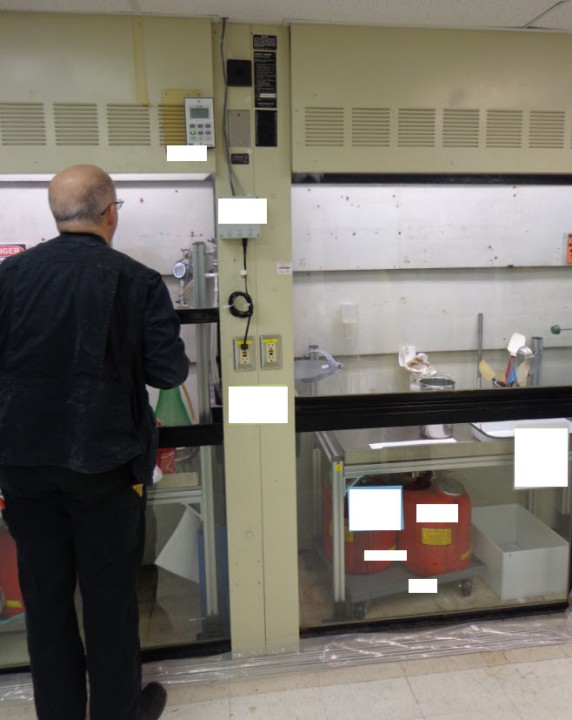
When I am asked to consult on safety issues or provide safety training for laboratories and pilot plants, I usually suggest starting with a safety audit of the facility or operation to determine what are the areas that require attention. Limited resources, tight funding, other priorities are among the most commonly cited reasons for deferringContinue reading ““We Are Comfortable with Our Current Safety Procedures”: How Do You Prevent Something You Don’t Recognize?”
Protecting Against Burns from Hot Surface Temperatures
You will read in many places that OSHA requires employees be protected against hot surfaces, defined as those greater than 60 C. A well-known and straightforward requirement that seems to make sense. But where does OSHA say that?
 Richard P Palluzi LLC