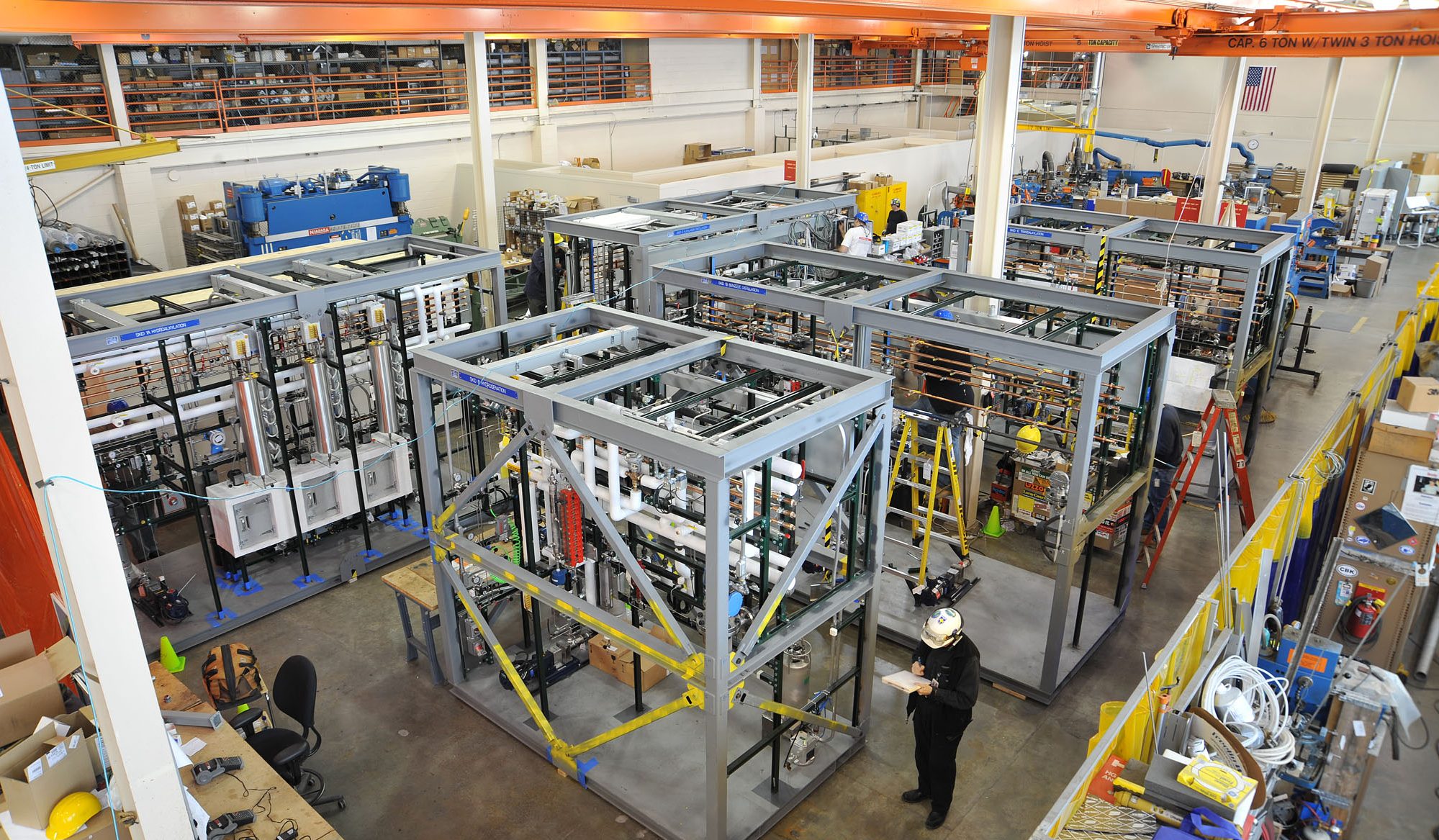
When I am asked to consult on safety issues or provide safety training for laboratories and pilot plants, I usually suggest starting with a safety audit of the facility or operation to determine what are the areas that require attention. Limited resources, tight funding, other priorities are among the most commonly cited reasons for deferringContinue reading ““We Are Comfortable with Our Current Safety Procedures”: How Do You Prevent Something You Don’t Recognize?”
Tag Archives: Laboratory Safety
Protecting Against Burns from Hot Surface Temperatures
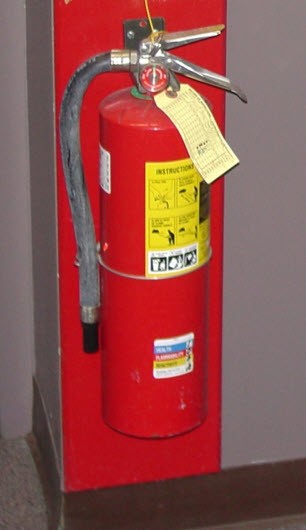
You will read in many places that OSHA requires employees be protected against hot surfaces, defined as those greater than 60 C. A well-known and straightforward requirement that seems to make sense. But where does OSHA say that?
NFPA 86 Standard for Ovens and Furnaces and Laboratory Ovens Using Flammable and Combustible Materials
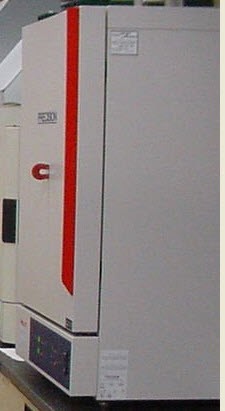
NFPA 45 Fire Protection for Laboratories Using Chemicals in section 11.3.3.8 states “Oven and furnace installations shall comply with NFPA 86” . Additionally, NFPA 86’s scope covers research operations: “1.1 Scope. This standard shall apply to Class A, Class B, Class C, and Class D ovens, dryers, and furnaces; thermal oxidizers; and any other heatedContinue reading “NFPA 86 Standard for Ovens and Furnaces and Laboratory Ovens Using Flammable and Combustible Materials”
Gas Detection Inside Laboratory Hoods: Prudent Safety Measure or Wasted Money?
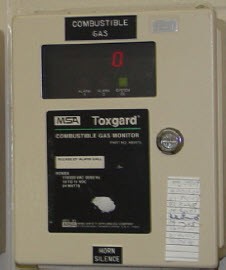
Clients often ask me if they should provide continuous gas detection in their laboratory hoods. I always start by asking them why they believe it is necessary and usually get some version of the following. (These are numbered for reference not any priority.) To warn them they have a leak or similar loss of containment.Continue reading “Gas Detection Inside Laboratory Hoods: Prudent Safety Measure or Wasted Money?”
Where is the best place to locate a hood in a laboratory?
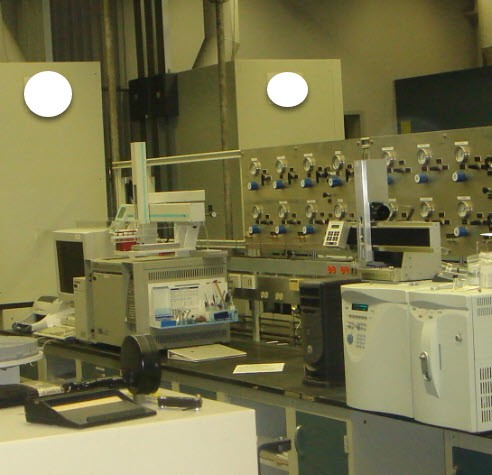
When you are laying out a laboratory where you place the hoods have a large impact on cost, efficiency, and hood performance. While there are numerous cautions in the literature as to the need for proper placement, many are rather vague, nebulous, and not easily interpreted.
“My Laboratory is Very Safe”: The Dangers of Myopic Looks at Laboratory Safety

In 45 years and hundreds of safety audits and inspections I have rarely had someone suggest to me that their laboratory is not safe. At worst, they may acknowledge a few specific concerns they would like me to look at (and hopefully say nothing is wrong and exit quickly). Yet in almost every audit IContinue reading ““My Laboratory is Very Safe”: The Dangers of Myopic Looks at Laboratory Safety”
Where is the best place to locate a hood in a Laboratory?
When you are laying out a laboratory where you place the hoods have a large impact on cost, efficiency, and hood performance. While there are numerous cautions in the literature as to the need for proper placement, many are rather vague, nebulous, and not easily interpreted. Code guidance is extremely limited. AIHI Z9.5 Laboratory VentilationContinue reading “Where is the best place to locate a hood in a Laboratory?”
Administrative Controls in Laboratories and Pilot Plants: When Might They Be an Acceptable Safety Measure?
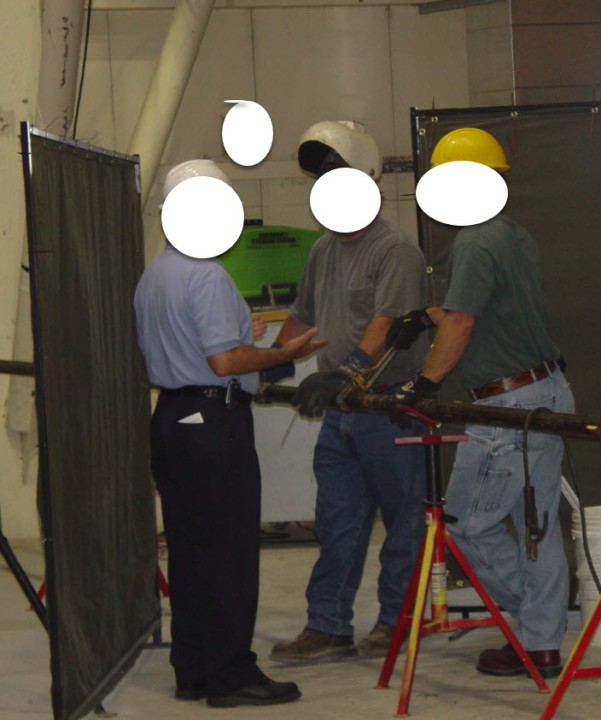
The accepted hierarchy of controls[1],[2],[3] is: 1. Elimination 2. Substitution 3. Engineering Controls 4. Administrative Controls 5. PPE In research, there is often a strong desire from management, professionals and operators to use administrative controls in place of engineering controls. Administrative controls are usually less expensive, faster, and easier to implement. They allow greater flexibility in the response to an issueContinue reading “Administrative Controls in Laboratories and Pilot Plants: When Might They Be an Acceptable Safety Measure?”
What is the Maximum Allowable Quantity (MAQ) of Hazardous Materials Allowed by Code in a Laboratory or Pilot Plant Area?
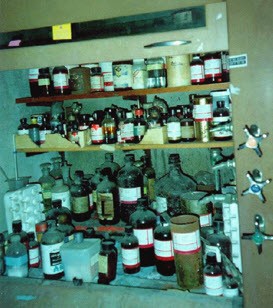
We live in a world of acronyms and abbreviations many of which, at least in text messages, defy the author’s interpretation. A common one in pilot plant and laboratory operations is the maximum allowable quantity or MAQ. This is the maximum amount of hazardous materials that are allowed in a building by the building code. IfContinue reading “What is the Maximum Allowable Quantity (MAQ) of Hazardous Materials Allowed by Code in a Laboratory or Pilot Plant Area?”
Can I Have an Electrical Outlet in a Hood?
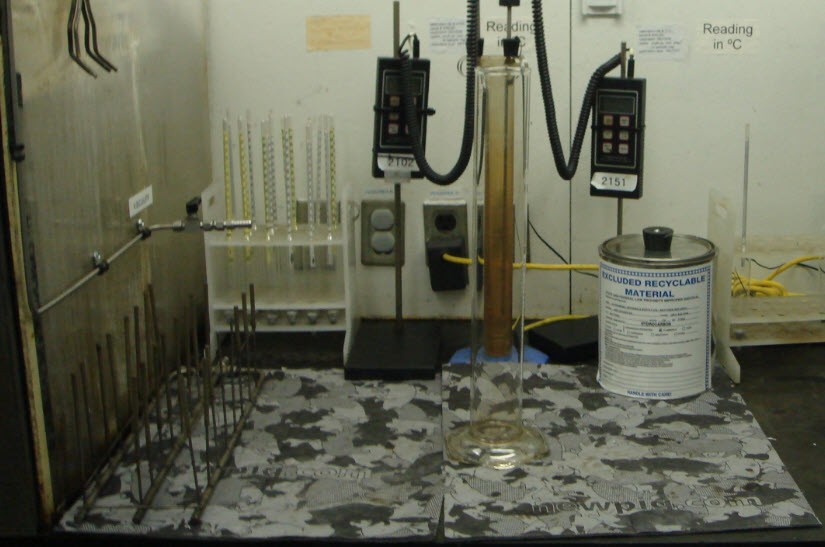
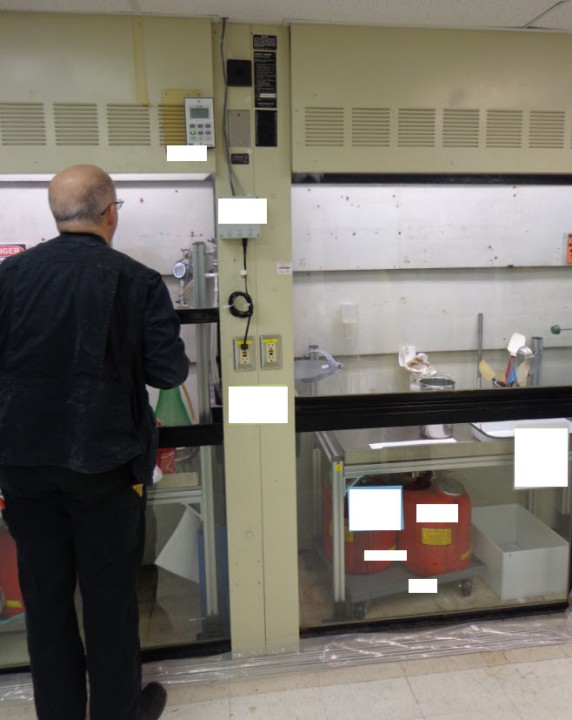
NFPA-45 Fire Protection for Laboratories Using Chemicals is very clear that if you have an electrical outlet in a hood then you need another disconnect within 50 ft of the hood. 7.8.4.1 In installations where services and controls are within the hood, additional electrical disconnects shall be located within 15 m (50 ft) of theContinue reading “Can I Have an Electrical Outlet in a Hood?”
 Richard P Palluzi LLC