20 hours
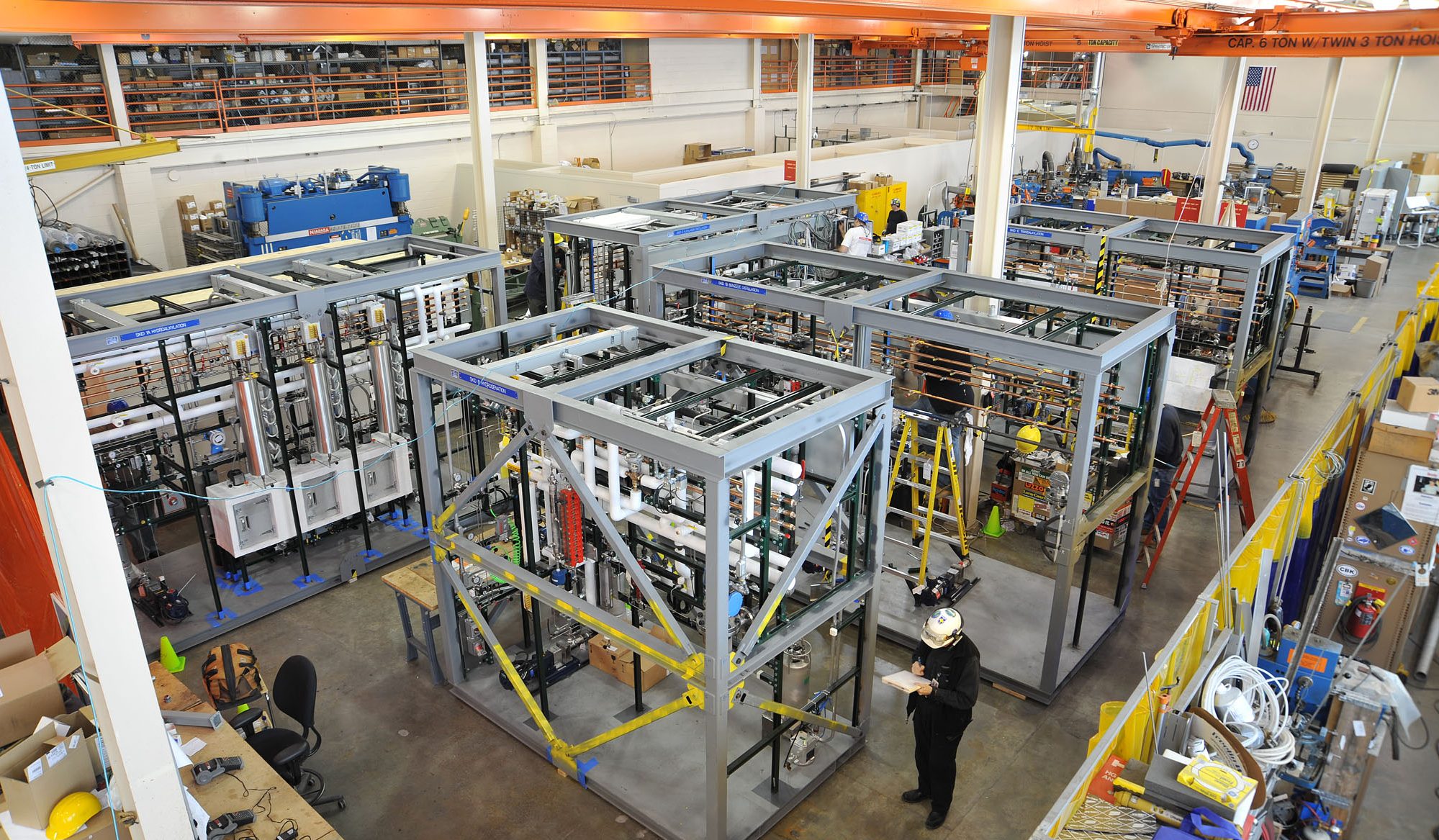
This course focuses on the key safety issues affecting pilot plant, laboratory, and research personnel whether in safety, managerial, technical, or operational roles. It gives a brief working knowledge of the specific safety-related codes and established best practices that govern safe operation. It is intended for new to experienced personnel.
- Flammability Basics
a. Flash points
b. Autoignition temperatures
c. Explosion types
d. Explosive Limits
e. Inerting
f. Oxygen enriched atmospheres
g. Classification of flammable and combustible liquids
h. NFPA and OSHA issues
i. Hazard classifications - Safety Reviews
a. Types of safety reviews and their purposes
b. Problems with safety reviews
c. Ensuring safety reviews meet their goals - Hazard Analysis and Risk Assessment
a. Generic hazard analysis
b. What if hazard analysis
c. HAZOP
d. Fault tree/event tree analysis
e. Failure modes, effects and criticality analysis
f. Risk assessment issues - Safety Inspections
a. Types of safety inspections and their purposes
b. Problems with safety inspections
c. Developing an effective safety inspection program - Space Considerations
a. Types of research space
b. Safety considerations for each type of space
c. Interior vs exterior locations
d. Laboratory vs pilot plant areas
e. Barricades vs other measures
f. Barricade design and operational considerations - Code Compliance
a. Types of codes and its implications
b. Overview of common codes applicable to research operations
i. OSHA
ii. EPA
iii. Building codes
iv. NFPA
v. ASME
vi. Miscellaneous codes
c. Resolving Code Disputes - NFPA-45: Safety in Laboratories Using Flammable Materials
a. Overview
b. Laboratory construction requirements
c. Laboratory ventilation requirements
d. Flammable liquid storage
e. Miscellaneous requirements
f. Implications for research operations - NFPA-70: National Electric Code
a. Overview
b. Definitions of hazardous areas
c. Determining hazardous areas
d. Summary of hazardous area requirements - NFPA-496: Purged and Pressurized Enclosures
a. Overview
b. Pressurization requirements
c. Implications for research operations
d. Purged enclosure design considerations
e. Control room design considerations
f. Problem areas - NFPA-30: Flammable and Combustible Liquids Code
a. Overview
b. General requirements
c. Containers
d. Liquid storage
e. Implications for research operations - References
- Q&A
 Richard P Palluzi LLC