You will read in many places that OSHA requires employees be protected against hot surfaces, defined as those greater than 60 C. A well-known and straightforward requirement that seems to make sense.
But where does OSHA say that?
You will read in many places that OSHA requires employees be protected against hot surfaces, defined as those greater than 60 C. A well-known and straightforward requirement that seems to make sense.
But where does OSHA say that?

I must get a dozen questions a year about what NFPA 45 Fire Protection for Laboratories covers. In section 1.1.3 NFPA 45 notes that it does not cover the following:
(1)* Laboratories for which the following conditions apply:
(a) Laboratory units that contain less than or equal to 4 L (1 gal) of flammable or combustible liquid
(b) Laboratory units that contain less than 2.2 standard m3 (75 scf) of flammable gas, not including piped-in low-pressure utility gas installed in accordance with NFPA 54
In a normal, non-Covid year I do numerous safety audits of laboratories and research operations, something I also did many times during my 40 year tenure at ExxonMobil Research & Engineering. Almost invariably when I ask about a site’s emergency response plans, I am told they exist, are reviewed periodically, and there is no need to look at them. My experience often suggests otherwise.
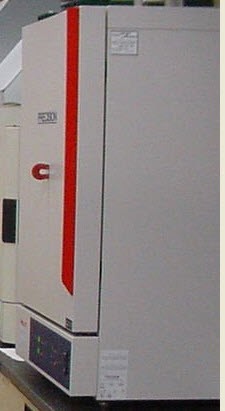
NFPA 45 Fire Protection for Laboratories Using Chemicals in section 11.3.3.8 states “Oven and furnace installations shall comply with NFPA 86” . Additionally, NFPA 86’s scope covers research operations:
“1.1 Scope. This standard shall apply to Class A, Class B, Class C, and Class D ovens, dryers, and furnaces; thermal oxidizers; and any other heated systems and related equipment used for processing of materials.
1.1.2 Within the scope of this standard, a Class A, Class B, or Class C oven is any heated enclosure operating at approximately atmospheric pressure and used for commercial and industrial processing of materials.”
One exception is given in 86:1.1.7 “Listed equipment with a heating system(s) that supplies a total input not exceeding 150,000 Btu/hr (44 kW).“ Listed per 86: 3.2.4 would need to mean the oven or furnace meets the following requirement.
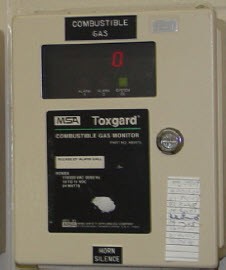
Clients often ask me if they should provide continuous gas detection in their laboratory hoods. I always start by asking them why they believe it is necessary and usually get some version of the following. (These are numbered for reference not any priority.)
The issue with any gas detection in a hood is dilution. Assume a fairly typical 4 ft long benchtop hood with a vertical sash designed for a maximum 24” opening and an average hood face velocity of 100 ft/min. This hood would require at least 800 CFM. That means you are going to need a lot of leakage to get to a detectable level. Look at these examples:
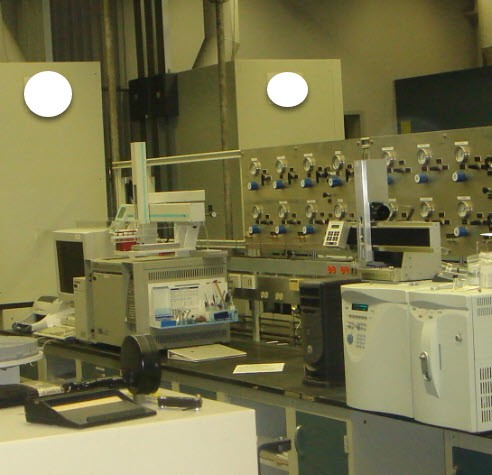
When you are laying out a laboratory where you place the hoods have a large impact on cost, efficiency, and hood performance. While there are numerous cautions in the literature as to the need for proper placement, many are rather vague, nebulous, and not easily interpreted.
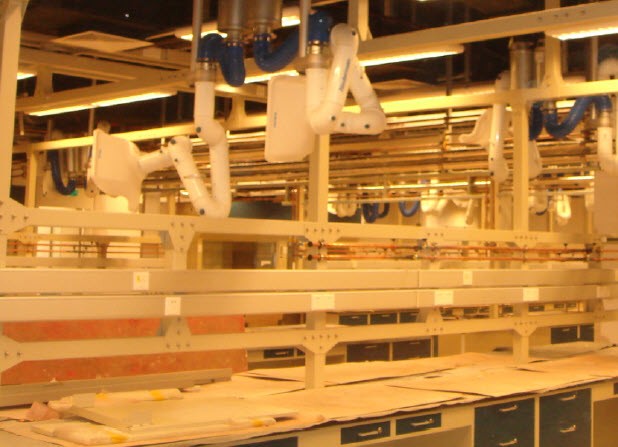
Laboratory exhaust ventilation is expensive. Estimates range from $20-70/CFM to install and $3-$12/CFM to operate depending on local costs and system design. Hoods are an added expense ranging from $200-$400/linear foot to purchase and install. Hood controls add another $1,000-$3,000 per hood. This means it is not uncommon for ventilation systems to account for 15-40% of the total cost of a new laboratory. Hence it is not surprising that designers, contractors, and management all want to minimize the amount of exhaust provided to lower the cost of a new or modified laboratory.
Several people have asked me for a list of all my articles on laboratories, pilot plants, and research issues. Here they are separated into subject areas. Please note that some articles could probably be placed in several areas. This list is as of February 27, 2021. I will try and update it as I add more articles.
Laboratory Hoods and Ventilation
Where is the Best Place to Locate a Hood in a Laboratory? at https://www.linkedin.com/pulse/where-best-place-locate-hood-laboratory-richard-palluzi
Can I Have an Electrical Outlet in a Hood? at https://www.linkedin.com/pulse/can-i-have-electrical-outlet-hood-richard-palluzi
“We Have Ruined the Hood”: The Potential Hazards of Vaporizing Liquids In Hoods at https://www.linkedin.com/pulse/we-have-ruined-hood-potential-hazards-vaporizing-liquids-palluzi/
Hoods for Chemical Storage: The Issue We Would Prefer Not To Discuss at https://www.linkedin.com/pulse/hoods-chemical-storage-issue-we-would-prefer-discuss-richard-palluzi/
Limiting Hood Openings: A Bad Idea at https://www.linkedin.com/pulse/limiting-hood-openings-bad-idea-richard-palluzi/
Hood Sashes at https://www.linkedin.com/pulse/hood-sashes-richard-palluzi/
Hood Sashes: The Open (or Closed) Door Policy at https://www.linkedin.com/pulse/hood-sashes-open-closed-door-policy-richard-palluzi/
“Why Can’t We Put It In the Hood?” at https://www.linkedin.com/pulse/why-cant-we-put-hood-richard-palluzi/
“Just Ignore That Noise, It’s Just The Hood Alarm Again”: Hood Alarms Issues at https://www.linkedin.com/pulse/just-ignore-noise-its-hood-alarm-again-alarms-issues-richard-palluzi/
Ventilation Dilution: A Safe Way to Avoid A Fire or Explosion or a Placebo? at https://www.linkedin.com/pulse/ventilation-dilution-safe-way-avoid-fire-explosion-placebo-palluzi/
Ventilated Enclosures for Lowering Area Electrical Classification at https://www.linkedin.com/pulse/ventilated-enclosures-lowering-area-electrical-richard-palluzi/
Ventilated Enclosures: Why Do They Often Fail to Work Properly at https://www.linkedin.com/pulse/ventilated-enclosures-why-do-often-fail-work-properly-richard-palluzi/
The Ten Most Common Laboratory Ventilation Mistakes at https://www.linkedin.com/pulse/ten-most-common-laboratory-ventilation-mistakes-richard-palluzi/
Laboratory Design
“Don’t let the door hit you on the way out”: Door Swings in Laboratories at https://www.linkedin.com/pulse/dont-let-door-hit-you-way-out-swings-laboratories-richard-palluzi/
Exhaust Fans: Where Should They Be Located in a Laboratory Building? at https://www.linkedin.com/pulse/exhaust-fans-where-should-located-laboratory-building-richard-palluzi/
“Not Too Cold Please!”: Tempering Options for Safety Showers for Research Facilities at https://www.linkedin.com/pulse/too-cold-please-tempering-options-safety-showers-research-palluzi
Safety Showers: Often Specified But Less Often Thought Through at https://www.linkedin.com/pulse/safety-showers-often-specified-less-thought-through-richard-palluzi/
Laboratory and Pilot Plant Electrical Safety
Laboratory Area Electrical Classification at https://www.linkedin.com/pulse/laboratory-area-electrical-classification-richard-palluzi/
Runaway Heaters at https://www.linkedin.com/pulse/runaway-heaters-richard-palluzi/
Flexible Cords: A Very Abused Connection in Laboratories at https://www.linkedin.com/pulse/flexible-cords-very-abused-connection-laboratories-richard-palluzi/
Watchdog Timers at https://www.linkedin.com/pulse/watchdog-timers-richard-palluzi/
High or Over Temperature Protection In a Research Environment at https://www.linkedin.com/pulse/high-over-temperature-protection-research-environment-richard-palluzi/
Power Strips in Laboratories: How Shocking! at https://www.linkedin.com/pulse/power-strips-laboratories-how-shocking-richard-palluzi/
GFI Protection for Laboratories at https://www.linkedin.com/pulse/gfi-protection-laboratories-richard-palluzi
Laboratory and Pilot Plant Safety (General)
“My Laboratory is Very Safe.”: The Dangers of Myopic Looks at Laboratory Safety at https://www.linkedin.com/pulse/my-laboratory-very-safe-dangers-myopic-looks-safety-richard-palluzi/
Administrative Controls in Laboratories and Pilot Plants: When Might They Be an Acceptable Safety Measure? at https://www.linkedin.com/pulse/administrative-controls-laboratories-pilot-plants-when-palluzi
Restarting A Laboratory After an Unexpected Shutdown at https://www.linkedin.com/pulse/restarting-laboratory-after-unexpected-shutdown-richard-palluzi/
“But It Is Only A Laboratory”: The Often Overlooked Hazards Inherent in Laboratory Operations at https://www.linkedin.com/pulse/only-laboratory-often-overlooked-hazards-inherent-richard-palluzi/
The Ten Most Common Laboratory Safety Issues at https://www.linkedin.com/pulse/ten-most-common-laboratory-safety-issues-richard-palluzi/
“Do You Think We Should Consider This Risk”: The Need for Making Credible Scenarios in Risk Assessment “ at https://www.linkedin.com/pulse/do-you-think-we-should-consider-risk-need-making-credible-palluzi/
“How Could This Have Happened?”: The Often Overlooked Hazards of Moving Chemicals Within A Research Facility at https://www.linkedin.com/pulse/how-could-have-happened-often-overlooked-hazards-moving-palluzi/
“But It’s Only an Instrument!”: Issues with Classifying Research Equipment at https://www.linkedin.com/pulse/its-only-instrument-issues-classifying-research-richard-palluzi
Safe Where It Is; Safe Where It Is Going: The Often Unrecognized Hazards of Moving Research Equipment at https://www.linkedin.com/pulse/safe-where-going-often-unrecognized-hazards-moving-research-palluzi/
Electric Heaters for Research Vessels at https://www.linkedin.com/pulse/electric-heaters-research-vessels-richard-palluzi
Laboratory Accidents: A Continuing Problem at https://www.linkedin.com/pulse/laboratory-accidents-continuing-problem-richard-palluzi/
Some Comments on the Accident Investigations Report to the University of Hawaii at Manoa on the Hydrogen/Oxygen Explosion of March 16, 2016 at https://www.linkedin.com/pulse/some-comments-accident-investigations-report-hawaii-manoa-palluzi/
Glass and Pressure at https://www.linkedin.com/pulse/glass-pressure-richard-palluzi/
Periodic Overall Cold Eyes Safety Inspections: An Overlooked Tool in Pilot Plant and Laboratory Safety at https://www.linkedin.com/pulse/periodic-overall-cold-eyes-safety-inspections-tool-pilot-palluzi/
Preventing Fires and Explosions in Pilot Plants and Laboratory Units at https://www.linkedin.com/pulse/preventing-fires-explosions-pilot-plants-laboratory-units-palluzi/
Flammable and Combustible Liquid Safety
What is the Maximum Allowable Quantity (MAQ) of Hazardous Materials Allowed by Code in a Laboratory or Pilot Plant Area? at https://www.linkedin.com/pulse/what-maximum-allowable-quantity-maq-hazardous-allowed-richard-palluzi
Flammable Storage Cabinets Used for Liquid Transfer Operations: Good or Bad Idea? at https://www.linkedin.com/pulse/flammable-storage-cabinets-used-liquid-transfer-good-bad-palluzi/
Should You Vent a Flammable Storage Cabinet? at https://www.linkedin.com/pulse/should-you-vent-flammable-storage-cabinet-richard-palluzi/
Compressed Gases
What Do the Numbers Stamped on a Compressed Gas Cylinder Mean? at https://www.linkedin.com/pulse/what-do-numbers-stamped-compressed-gas-cylinder-mean-richard-palluzi
Venting Gas Cylinders in a Laboratory at https://www.linkedin.com/pulse/venting-gas-cylinders-laboratory-richard-palluzi/
The 10 Most Common Laboratory Compressed Gas Cylinder Safety Issues at https://www.linkedin.com/pulse/10-most-common-laboratory-compressed-gas-cylinder-safety-palluzi/
Storage of Incompatible Gases: Easily Said, Harder To Evaluate at https://www.linkedin.com/pulse/storage-incompatible-gases-easily-said-harder-evaluate-palluzi/
Toxic Gas Storage and Use Per NFPA 55: Hoods and Ventilated Enclosures in Research Applications at https://www.linkedin.com/pulse/toxic-gas-storage-use-per-nfpa-55-hoods-ventilated-research-palluzi/
Compressed Gas Cylinder Safety In Research Applications at https://www.linkedin.com/pulse/compressed-gas-cylinder-safety-research-applications-richard-palluzi/
Pilot Plants (General)
What is a Good Definition of a Pilot Plant? at https://www.linkedin.com/pulse/what-good-definition-pilot-plant-richard-palluzi
What is a Pilot Plant at https://www.linkedin.com/pulse/what-pilot-plant-richard-palluzi/
Classifying Pilot Plants at https://www.linkedin.com/pulse/classifying-pilot-plants-richard-palluzi/
Pilot Plant Design
Should You Air Condition a Pilot Plant Space? at https://www.linkedin.com/pulse/should-you-air-condition-pilot-plant-space-richard-palluzi/
Pilot Plant Safety Systems Parts I and II at https://www.linkedin.com/pulse/pilot-plant-safety-systems-part-ii-richard-palluzi/
Pilot Plant Safety Systems Parts II at https://www.linkedin.com/pulse/pilot-plant-laboratory-unit-safety-systems-part-i-richard-palluzi/
Best Practices for Heat Tracing Pilot Plants: Steam, Hot Oil, and Heated Enclosures as Well As Some Overall Issues at https://www.linkedin.com/pulse/best-practices-heat-tracing-pilot-plants-steam-hot-oil-palluzi/
Best Practices for Heat Tracing Pilot Plants: Constant Wattage Electric Heat Trace at https://www.linkedin.com/pulse/best-practices-heat-tracing-pilot-plants-constant-wattage-palluzi/
Best Practices for Heat Tracing Pilot Plants: Self Limiting Electric Heat Trace at https://www.linkedin.com/pulse/best-practices-heat-tracing-pilot-plants-self-limiting-palluzi/
Pilot Plant Feed And Product Handling at https://www.linkedin.com/pulse/pilot-plant-feed-product-handling-richard-palluzi/
Pilot Plant Analytical Options at https://www.linkedin.com/pulse/pilot-plant-analytical-options-richard-palluzi/
How Big Do I Need To Build A Pilot Plant: The Vexing Question of Scale at https://www.linkedin.com/pulse/how-big-do-i-need-build-pilot-plant-vexing-question-scale-palluzi/
A Dozen Ways to Get the Most Pilot Plant for Your Money at https://www.linkedin.com/pulse/dozen-ways-get-most-pilot-plant-your-money-richard-palluzi/
RTD’s Versus Thermocouples: Which Should I Use? at https://www.linkedin.com/pulse/rtds-versus-thermocouples-which-should-i-use-richard-palluzi/
Pilot Plant Construction
“But it’s More Expensive!”: Tubing or Pipe for Pilot Plants at https://www.linkedin.com/pulse/its-more-expensive-tubing-pipe-pilot-plants-richard-palluzi/
Pilot Plant Design Reviews: An Important Tool for Minimizing Start Up Costs and Improving Operability at https://www.linkedin.com/pulse/pilot-plant-design-reviews-important-tool-minimizing-start-palluzi/
Lump Sum or Cost Plus: Which Makes Sense for Pilot Plants and Research Support? at https://www.linkedin.com/pulse/lump-sum-cost-plus-which-makes-sense-pilot-plants-research-palluzi/
Modular Pilot Plant Construction at https://www.linkedin.com/pulse/modular-pilot-plant-construction-richard-palluzi/
Contracting Pilot Plants and Research Support: The Good, the Bad, And the Ugly at https://www.linkedin.com/pulse/contracting-pilot-plants-research-support-good-bad-ugly-palluzi/
Pilot Plant Project Management – Necessity, Overkill, or Just a Good Idea? at https://www.linkedin.com/pulse/pilot-plant-project-management-necessity-overkill-just-palluzi/
2012 Plenary Talk on Pilot Plants for the AIChE (On the Need for Pilot Plant Standards) at https://www.linkedin.com/pulse/2012-plenary-talk-pilot-plants-aiche-richard-palluzi/
Pilot Plant Safety
Can I Put a Pilot Plant in a Laboratory? at https://www.linkedin.com/pulse/can-i-put-pilot-plant-laboratory-richard-palluzi/
Can you apply NFPA-45 to a Pilot Plant? at https://www.linkedin.com/pulse/can-you-apply-nfpa-45-pilot-plant-richard-palluzi/
Pilot Plant Safety Standards at https://www.linkedin.com/pulse/pilot-plant-safety-standards-richard-palluzi/
Types of Space Suitable for Pilot Plant Operations: Laboratories at https://www.linkedin.com/pulse/types-space-suitable-pilot-plant-operations-richard-palluzi/
Types of Space Suitable for Pilot Plant Operations: Open Bays at https://www.linkedin.com/pulse/types-space-suitable-pilot-plant-operations-open-bays-richard-palluzi/
Types of Space Suitable for Pilot Plant Operations: Containment Cells at https://www.linkedin.com/pulse/types-space-suitable-pilot-plant-operations-cells-richard-palluzi/
Types of Space Suitable for Pilot Plant Operations: Separate Buildings at https://www.linkedin.com/pulse/types-space-suitable-pilot-plant-operations-separate-richard-palluzi/
Research Project Cost Estimating
“But That Means We Don’t Have Enough Money for Our New Laboratory!” The Dangers of Budget Estimates for New Laboratories at https://www.linkedin.com/pulse/means-we-dont-have-enough-money-our-new-laboratory-dangers-palluzi/
“But What Will It Cost?” The Trials and Tribulations of Pilot Plant Cost Estimating at https://www.linkedin.com/pulse/what-cost-trials-tribulations-pilot-plant-estimating-richard-palluzi/
The Practical Effects Of Budget Constraints at https://www.linkedin.com/pulse/practical-effects-budget-constraints-richard-palluzi/
Pilot Plant and Laboratory Unit Cost Estimates: Should We Progress the Idea or Not? at https://www.linkedin.com/pulse/pilot-plant-laboratory-unit-cost-estimates-should-we-progress/
Research Project Scheduling
We Need to Get Going on This Project”: Issues with Starting Research Projects too Early at https://www.linkedin.com/pulse/we-need-get-going-project-issues-starting-research-projects-palluzi at “We Need It Faster”: Issues with Accelerated Pilot Plant Schedules at https://www.linkedin.com/pulse/we-need-faster-issues-accelerated-pilot-plant-richard-palluzi/
Reducing Pilot Plant and Laboratory Unit Construction Costs and Schedules at https://www.linkedin.com/pulse/reducing-pilot-plant-laboratory-unit-construction-costs-palluzi/
Research Start Up, Commissioning, and Troubleshooting
“Not Another Leak!”: Leakage in Pilot Plants, Laboratory Units, and Laboratory Equipment at https://www.linkedin.com/pulse/another-leak-leakage-pilot-plants-laboratory-units-richard-palluzi/
Locating Leaks in Pilot Plants and Laboratory Units and Equipment at https://www.linkedin.com/pulse/locating-leaks-pilot-plants-laboratory-units-richard-palluzi/
Testing For Leaks In Pilot Plants at https://www.linkedin.com/pulse/testing-leaks-pilot-plants-richard-palluzi/
“What Do You Mean It’s Off By That Much?”: Issues With Real World Vs Theoretical Instrument Accuracy at https://www.linkedin.com/pulse/what-do-you-mean-its-off-much-issues-real-world-vs-accuracy-palluzi/
Tips for Troubleshooting Pilot Plant and Laboratory Equipment at https://www.linkedin.com/pulse/tips-troubleshooting-pilot-plant-laboratory-equipment-richard-palluzi
Does Your Reactor Have a Case of the “Vapors”? at https://www.linkedin.com/pulse/does-your-reactor-have-case-vapors-richard-palluzi/
Pilot Plant Start Up at https://www.linkedin.com/pulse/pilot-plant-start-up-richard-palluzi/
Research Operations
Continuity Plans at https://www.linkedin.com/pulse/research-continuity-plans-richard-palluzi/
The Most Common Pilot Plant and Laboratory Unit Commissioning Problems at https://www.linkedin.com/pulse/most-common-pilot-plant-laboratory-unit-commissioning-richard-palluzi/
Off Hours Instructions for Laboratories: Necessary, Nice, or Nuisance at https://www.linkedin.com/pulse/off-hours-instructions-laboratories-necessary-nice-nuisance-palluzi/
Hydrostatic Testing of Pilot Plant Scale Tubing: Is it Necessary? at https://www.linkedin.com/pulse/hydrostatic-testing-pilot-plant-scale-tubing-richard-palluzi/

In 45 years and hundreds of safety audits and inspections I have rarely had someone suggest to me that their laboratory is not safe. At worst, they may acknowledge a few specific concerns they would like me to look at (and hopefully say nothing is wrong and exit quickly). Yet in almost every audit I find many areas that should be addressed. Often, I find issues that are serious enough that I suggest they should be addressed immediately. Since I believe all laboratory personnel honestly do want to be safe and do want to avoid accidents why do I always find issues?
When you are laying out a laboratory where you place the hoods have a large impact on cost, efficiency, and hood performance. While there are numerous cautions in the literature as to the need for proper placement, many are rather vague, nebulous, and not easily interpreted.
Code guidance is extremely limited. AIHI Z9.5 Laboratory Ventilation says nothing on the subject. NFPA-45 Fire Protection for Laboratories Using Chemicals states only the following in section 7.9.

 Richard P Palluzi LLC