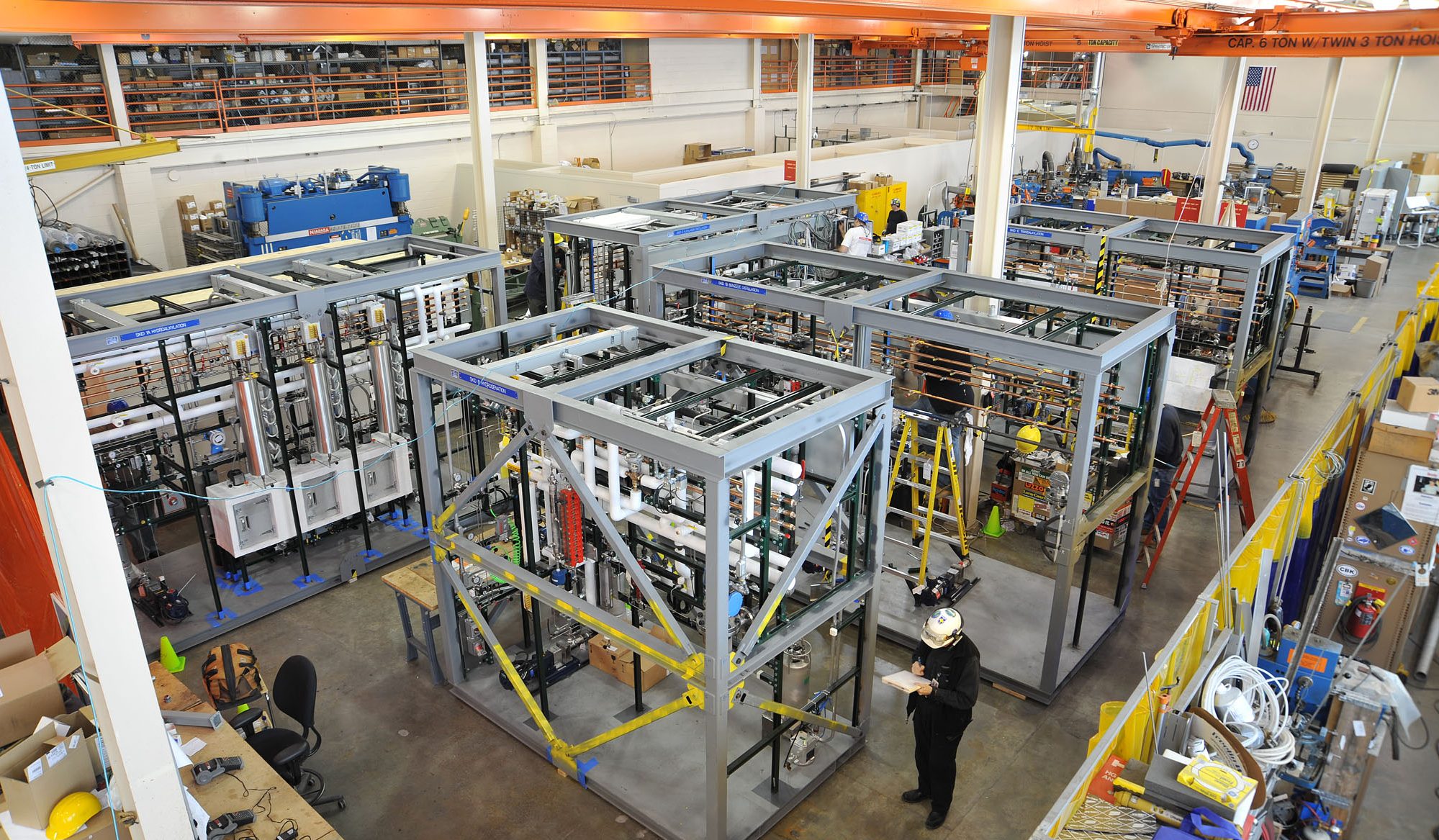

Alarms and automatic shutdowns are common in plants and on research units. Both have several shared functions, namely to keep a unit operating safely within design conditions. Both vary in others.
Alarms are intended to alert operating personnel to an impending problem in time for them to take appropriate corrective action. Automatic interlocks are designed to initiate the appropriate response when a predetermined limit or condition is reached. Often, they are used together. It is not uncommon to have a high temperature alarm to alert the operator to an impending interlock as well as a high temperature shutdown to cut off the power to the heater in the event the operator’s action did not bring the condition under control. Plants usually have one or more levels of alarm on every interlock. This gives operating personnel a change to intervene and try to correct the upset before the interlock automatically acts. Pilot plants, laboratory units, and research equipment often have only one of the other (or occasionally, neither).
 Richard P Palluzi LLC